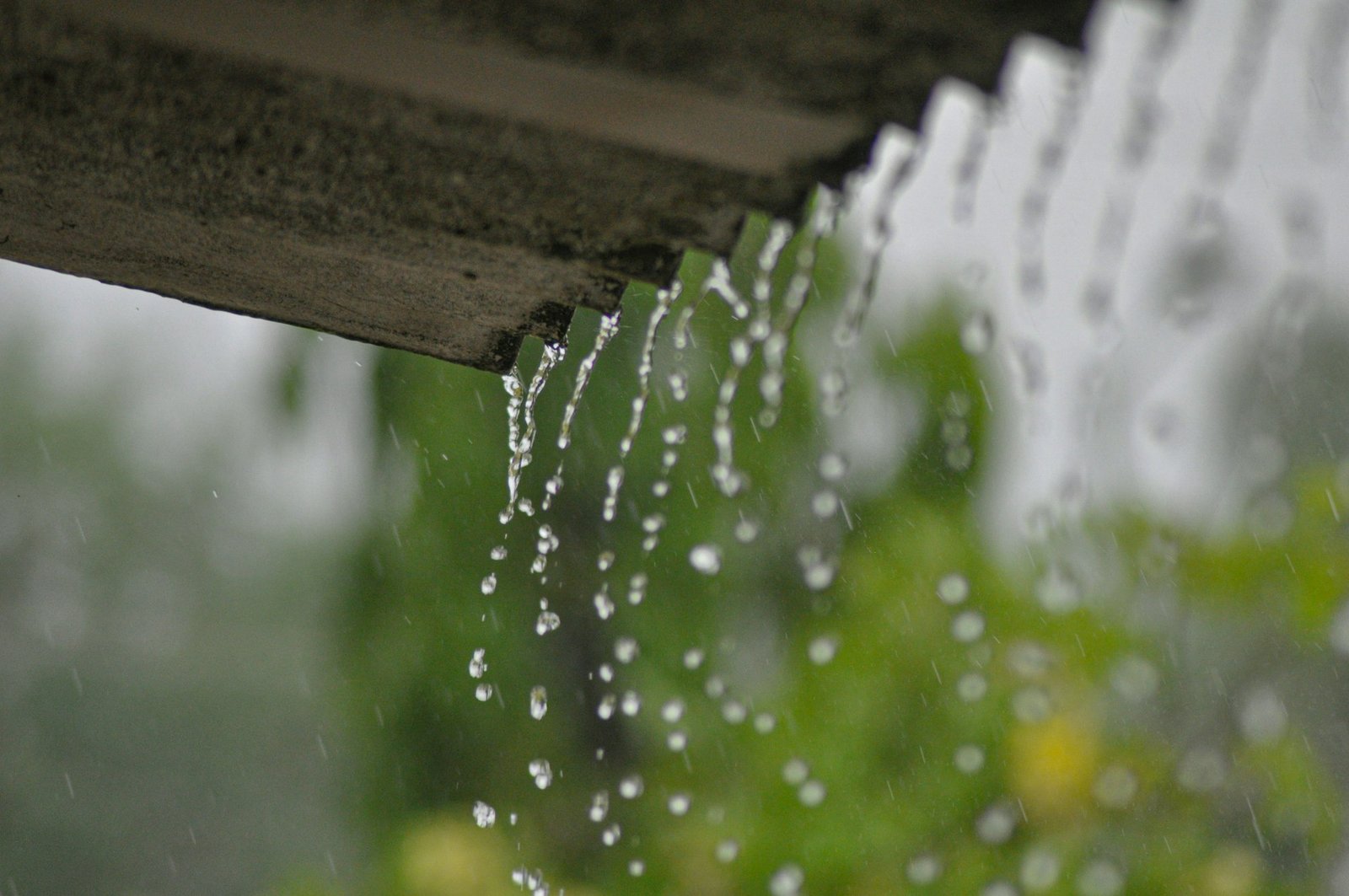
Across Lucknow, many rainwater harvesting (RWH) systems sit idle. They were built to recharge a stressed aquifer. Today a lot of them do not work at all. Experts said so at a recent panel run by the Ground Water Action Group (GWAG) and UNICEF. Many systems are neglected. Many are defunct. And the rules that require them are not enforced well. As reported by The Times of India, the city does not lack systems. The problem is that too many have stopped working.
This matters far beyond Uttar Pradesh. It matters for homeowners, apartment associations and facility managers all over India. Lucknow is a useful mirror. There is a big gap between a system that is installed and one that works. That gap is mostly about upkeep. And good design can close it.
A quick note on why we cite this report. Rainable India had no role in any of the Lucknow projects or installations in the news report. We share it only as a public-interest example. The same upkeep problem affects rainwater harvesting across India.
What went wrong in Lucknow
The panel did not describe a big engineering failure. It described slow neglect. Speakers said RWH structures must be planned with care. You should install them only where the soil, rock and aquifer can absorb and store water safely. A recharge pit in the wrong spot can do more harm than good. So can one that no one maintains.
Ram Ashish Yadav is the former head of the Groundwater Cell at UP Jal Nigam. He said several public buildings let their RWH systems fall into disuse. He named the Lucknow Development Authority and PWD buildings as examples. He had flagged the issue months earlier.
GWAG convener Ravindra Swaroop Sinha asked for proper aquifer-restoration plans. He wants scientific recharge that suits each site. He also backed porous pavements to soak up city runoff. And he wants more on-farm harvesting in villages. He gave one clear warning too. Pushing dirty runoff straight into aquifers can spoil drinking water for good.
The panel’s advice reads like a checklist for upkeep. It asks for aquifer-based checks, smart site choice, yearly care, and a set budget to run each system. Dr Zakari Adam from UNICEF added the last piece. He called for better monitoring, stronger rules, and more help from the community. Notice the pattern. None of this is about install day. All of it is about the years that follow.
Why systems go defunct: the five common failure points
Ignore the local details and the causes look the same everywhere. A system on a government roof in Lucknow fails like a system on a villa in Coimbatore. Most defunct systems die in the same five ways.
- Silt and leaves. Roofs shed dust, leaves and grit in every shower. If no one cleans them, the debris blocks gutters, filters and screens. Soon the water just overflows and skips the system.
- No first-flush diversion. The first rain after a dry spell is the dirtiest. If you do not send it away, it drops all that dirt into your tank or pit.
- Pits full of mud. Pits and recharge wells silt up from below. Once the mud packs in, water barely soaks through. The pit then holds stale water instead of recharging the aquifer.
- No filter before recharge. Unfiltered water going underground is the very risk the Lucknow experts flagged. Without a filter, a recharge pit can spoil the groundwater it should protect.
- Treated as a one-time task. This is the worst one. The system gets signed off for building approval. Then everyone forgets it. No yearly check. No budget. No owner. A system that needs regular care, but has no one to give it, will fail.
Tamil Nadu is ahead, but not immune
Take Tamil Nadu as an example close to home. The state has required RWH on almost every building since 2003. That is one of India’s oldest and widest RWH rules. On coverage, Tamil Nadu leads. Millions of systems are in place. If any state should be safe, it is this one.
But coverage is where the Lucknow lesson bites. Installed is not the same as working. The same silt, clogged filters, muddy pits and skipped care hit Tamil Nadu too. Many systems there quietly stop working. Owners often notice only when a borewell runs dry or a sump overflows. High install numbers can hide a low working rate. And that is true in every Indian city.
There is good news. India’s monsoon gives you a clear deadline. Some of you get the South-West monsoon from June. Others get the North-East monsoon from about October to December. Either way, the rains are your best chance to recharge all year. Clear your system now and it catches that water. Leave it defunct and the water runs down the drain.
A 10-minute pre-monsoon self-check for your system
You do not need an engineer to check your system. Just walk around your property before the monsoon. Most of this takes ten minutes.
- Roof and gutters. Are they clear of leaves, dust and nests? Or is debris piling up at the outlets?
- Filter and first-flush unit. Find it and open it. Is it clogged? When did you last clean it? If you cannot recall, that is your answer.
- Downpipes. Follow each one. Does it still feed the system? Or did a past repair send it to a drain?
- Recharge pit or well. Lift the cover. Is it silted, or full of stale water? It should drain freely.
- Storage sump or tank. Does the water smell stale or look still? Stale water means the system fills but never turns over.
- Overflow and cracks. Look for cracked chambers, blocked inlets and overflow marks. They show that water has been skipping the system.
See two or more red flags? Your system is heading toward defunct. Fix it before the rain, not during it.
Designing a system that doesn’t need rescuing
Look again at that checklist. Almost every item exists for one reason. Normal systems need a person to do manual work, on time, forever. And hand-cleaning is the first thing people skip. So the best way to avoid a defunct system is simple. You design the upkeep out of it.
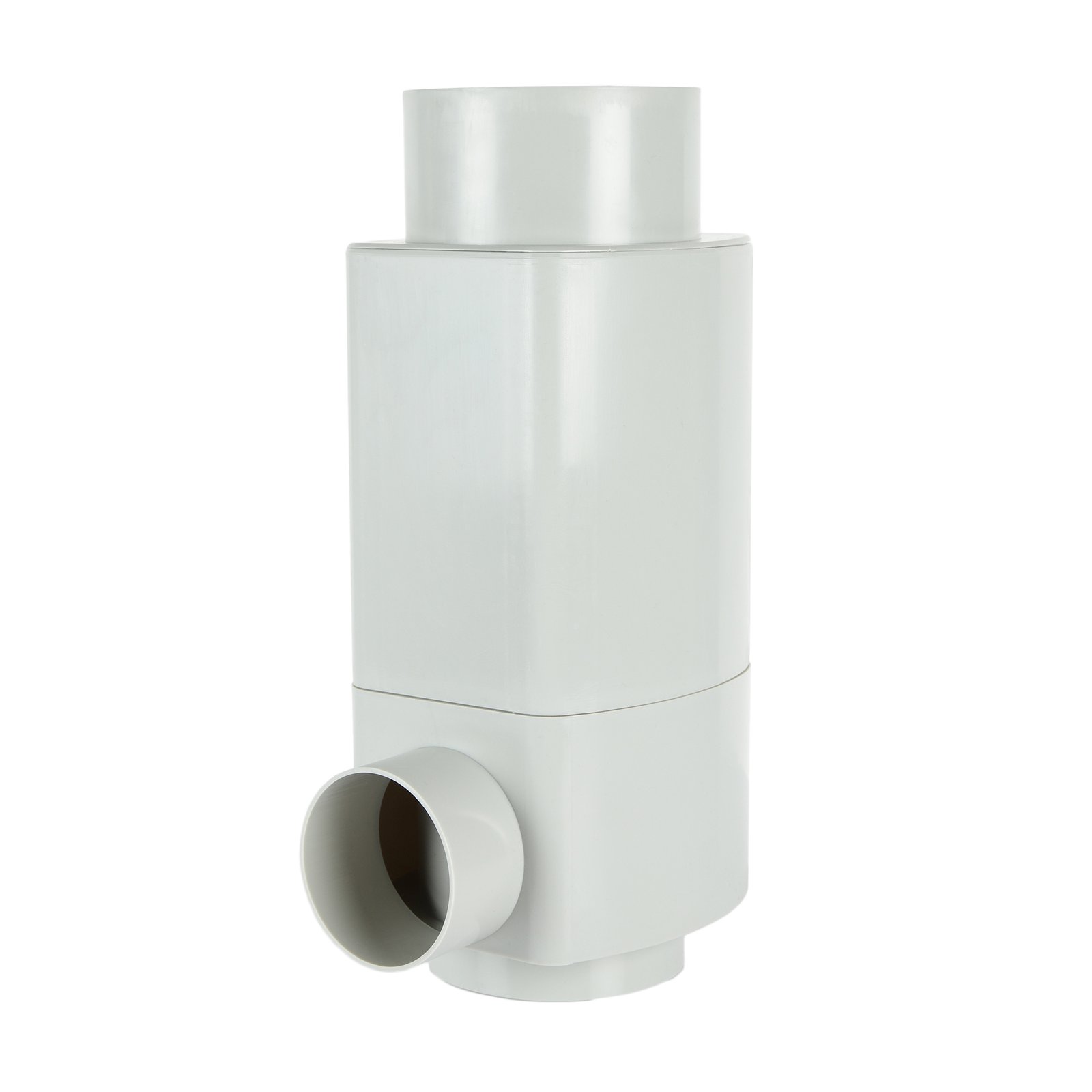
That is what Rainable does. It uses German-engineered filtration, supplied and installed across India. There is no basket to empty. Self-cleaning filtration keeps rejecting leaves and silt, so the dirt washes away instead of piling up. Automatic first-flush diversion sends the dirty first rain away, so it never reaches your store. This handles the exact risk the Lucknow experts flagged. Oxygen enrichment through free aeration keeps stored water fresh. Stale water is the failure that kills most sumps and tanks. In short, the system looks after itself. That is the only kind that keeps working.
Consult with Rainable before the monsoon
Did your check turn up silt, stale water, or a filter you cannot remember cleaning? Do not wait for the rain to expose it. Rainable can review your current system. We will tell you if it needs a clean, an upgrade or a redesign. We work with homeowners, associations, builders and facility managers across India. Consult with Rainable. Make sure your system this year is not just installed. Make sure it works.
Frequently Asked Questions
How often should rainwater harvesting maintenance be done?
Clean the filter and first-flush unit just before the monsoon. Check them again after the first heavy rains. Desilt recharge pits at least once a year. Hand-cleaned systems need care more often. Self-cleaning ones need much less.
How can I tell if my rainwater harvesting system is defunct?
Watch for a few signs. The filter clogs or overflows. Water skips the system when it rains. The recharge pit is silted or waterlogged. The stored water smells stale. The borewell stays dry even after good rain. See two of these together and the system has likely stopped working.
Is rainwater harvesting mandatory in India?
Many states and cities require it. Tamil Nadu, for one, has required it on buildings since 2003. But a one-time approval does not keep a system working. Upkeep is the owner’s job. That is where many systems fail.
What makes a rainwater filter self-cleaning?
A self-cleaning filter uses the flow of water to push leaves and silt away. It does not trap them in a basket you must empty. So it cuts the cleaning work and lowers the risk of the system going defunct.