When the whole country decides to catch the rain
This monsoon, India’s cities are being asked a simple question: where does your rainwater go? Through its expanded Catch the Rain – “Where it Falls, When it Falls” campaign under AMRUT 2.0, the Ministry of Housing and Urban Affairs (MoHUA) has mobilised nearly 900 Urban Local Bodies across 27 States and Union Territories to answer it. The drive traces back to the Prime Minister’s Mann Ki Baat appeal in late June 2026, and it has quickly become one of the largest coordinated urban water efforts the country has seen.
For anyone who has watched a borewell run dry in summer or a street flood during the rains, the timing matters. The campaign is a reminder that water security is no longer a distant policy debate — it is being built, structure by structure, before the rain arrives. But the biggest opportunity in this mission isn’t only in municipal projects. It’s on the roof above your head.
What the Catch the Rain campaign actually does
Behind the slogan is a large, practical programme of works. Under Jal Shakti Abhiyan–Jan Bhagidari (JSJB) 2.0, run in convergence with the Ministry of Jal Shakti, MoHUA reports that 1,99,278 groundwater recharge structures have been taken up across 79 Municipal Corporations, with a further 73,036 structures under implementation across 738 ULBs. These are the recharge pits, trenches and injection systems that push monsoon runoff back into the ground instead of letting it drain away.
The campaign’s Shallow Aquifer Management (SAM) programme shows how this is tailored city by city, right across the country. Burdwan in West Bengal and Vizianagaram in Andhra Pradesh are using recharge pits paired with injection borewells to send rainwater into deeper aquifers. Itanagar in Arunachal Pradesh has adopted rooftop rainwater harvesting with storage. Korba in Chhattisgarh and Warangal in Telangana operationalised their recharge structures ahead of the monsoon so they were ready when the first rains fell.
A third strand, Water Body Rejuvenation (WBR), focuses on the lakes and tanks that cities have historically depended on. MoHUA reports work underway to restore roughly 1.21 lakh acres of urban water bodies through desilting, inlet and outlet repair, shoreline protection, landscaping and biodiversity enhancement — with new green spaces being developed alongside them. Together, these components rebuild the “big infrastructure” of urban water: the aquifers, the lakes, the municipal recharge network. (Source: MoHUA, July 2026.)
Why India’s cities need every drop
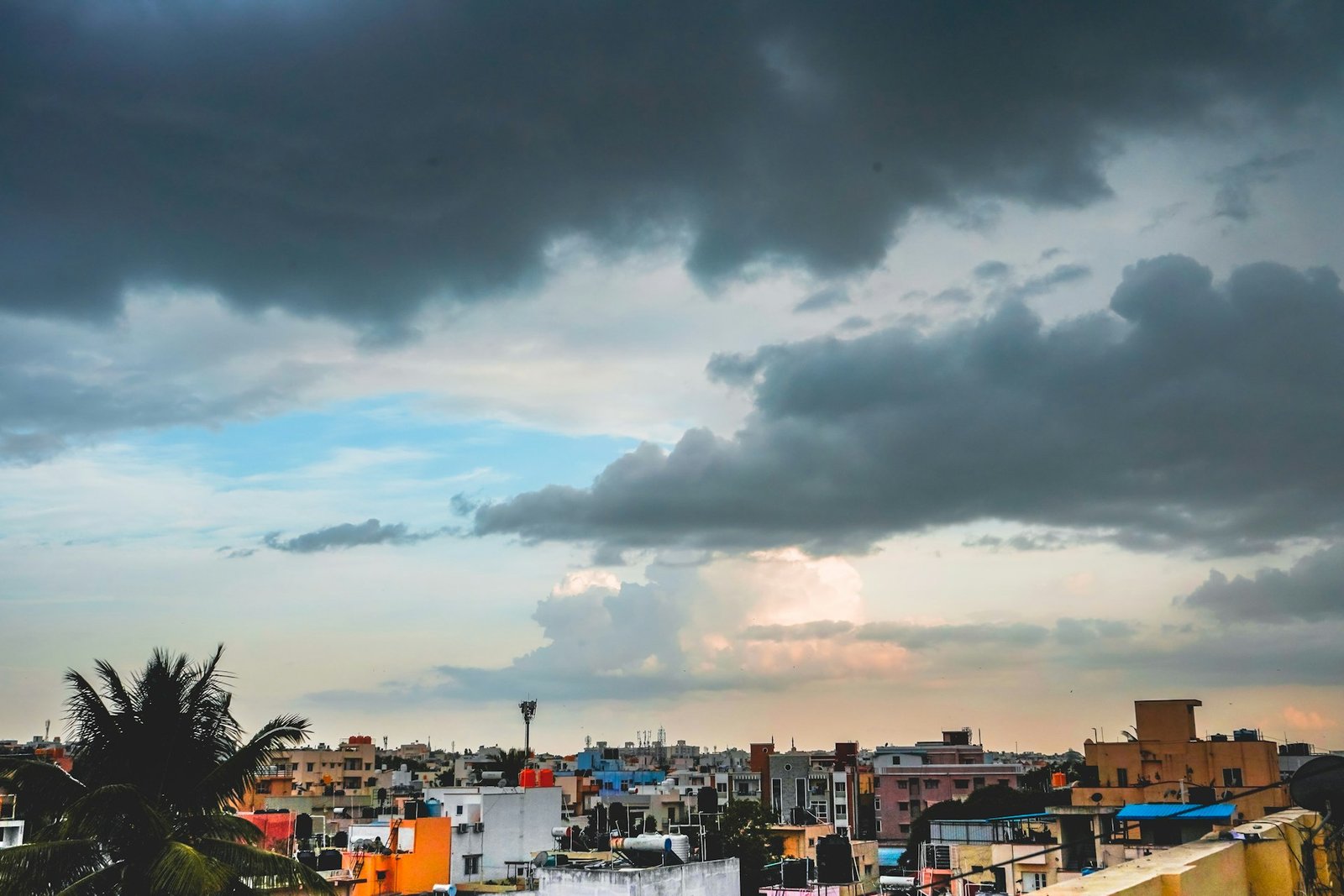
For urban India, this is not abstract. From Chennai and Bengaluru to Delhi-NCR, Hyderabad and Pune, most of our cities are monsoon-dependent and groundwater-stressed, living each year between the fear of too little water and the damage of too much. Chennai’s 2019 “Day Zero” and the recurring floods seen across Indian metros are two sides of the same coin: rain that arrives in a rush and leaves just as fast because there is nowhere for it to soak in.
The SAM approach is quietly instructive here. When cities from Telangana to Arunachal Pradesh treat rooftop harvesting and recharge as frontline monsoon-readiness tools, it signals a shift the whole country can act on — and many Indian states and cities have had rooftop rainwater harvesting rules on the books for years. The question has never really been whether to catch the rain. It has been how completely we do it.
The missing piece: catching rain where it actually falls
Here is the honest limit of even the best government scheme. Municipal recharge structures, aquifer mapping and lake restoration are essential, but they largely capture rain once it has already reached public land — a park, a tank bed, a roadside pit. They cannot catch the rain that lands on the millions of individual rooftops across a city.
And in urban India, rooftops and paved surfaces are exactly where the problem starts. Impermeable concrete turns a heavy shower into instant runoff: water races across terraces and roads, overwhelms drains, floods low-lying streets, and disappears into drains and rivers — carrying, on the way, the chance to recharge the very aquifers the campaign is trying to refill. Every roof that isn’t harvesting is a small missed opportunity, repeated millions of times over.
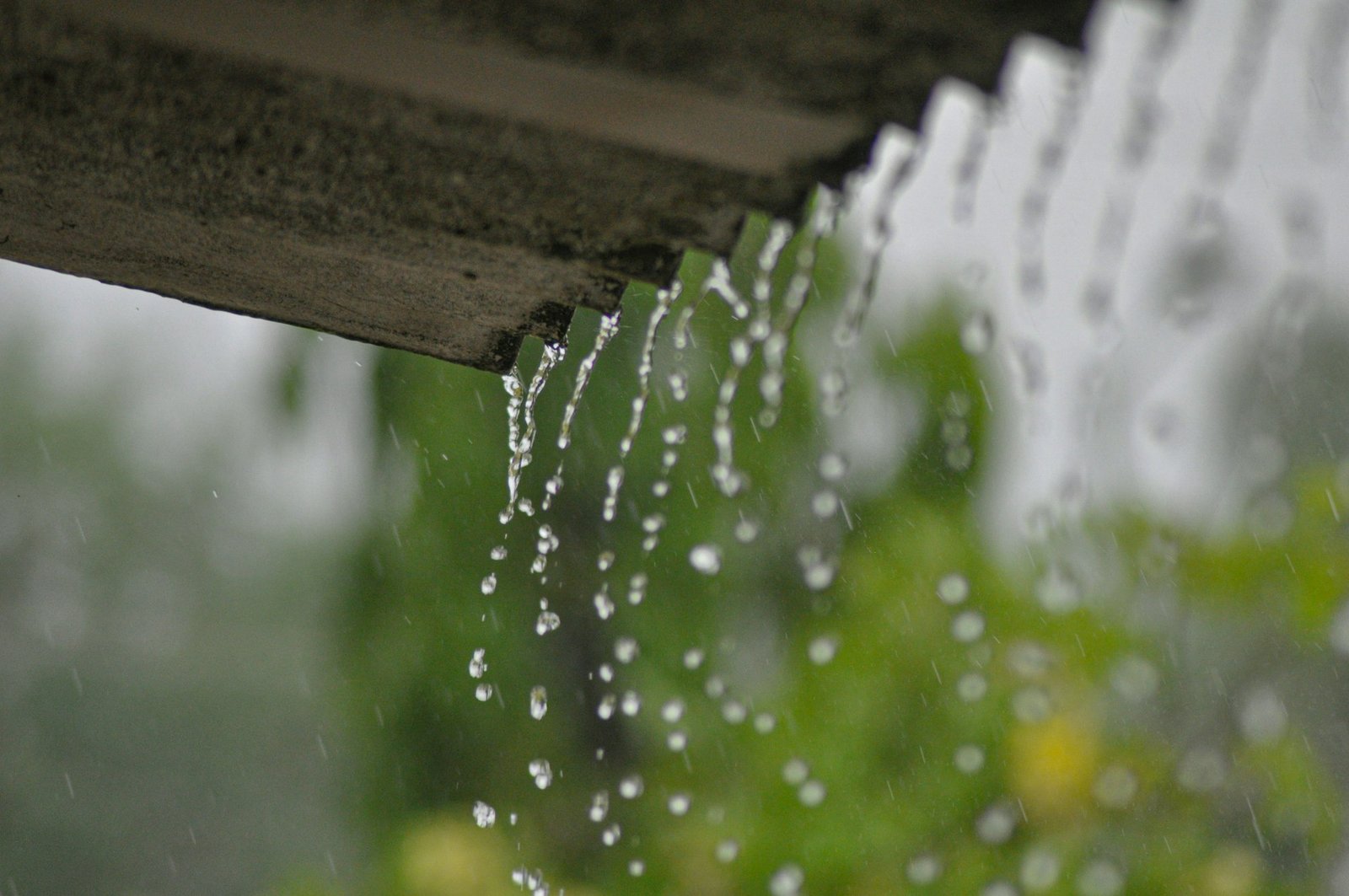
Capturing rain at the source fixes both halves of the problem at once. A building-level rainwater harvesting and filtration system slows the runoff that causes flooding, and directs clean water either into storage for direct use or into a recharge pit that replenishes groundwater under your own plot. This is Catch the Rain at the scale where it began: where it falls, when it falls.
How Rainable helps you do it
This is the gap Rainable is built to close. Our rooftop rainwater harvesting and filtration systems are designed for homes, apartments and new builds across India — turning an ordinary terrace into a working part of the nation’s water network. A well-designed setup collects rooftop runoff, filters out silt and debris so the water is genuinely usable, and channels it into storage or recharge depending on what your building needs.
For a homeowner, that can mean cleaner water and a borewell that recovers faster after the monsoon. For an RWA or apartment association, it can mean lower dependence on tankers and a measurable contribution to the neighbourhood’s groundwater. For a builder, it is a credibility feature buyers increasingly ask about — and, in much of the country, a compliance requirement worth doing properly rather than minimally.
Ready to catch the rain on your own roof? If you’re weighing rainwater harvesting for your home, apartment or project, talk to Rainable about a rooftop system sized for your roof and your rainfall.
The national mission, one roof at a time
MoHUA closes its update on a note worth keeping: conservation is an investment in the water security of future generations. The 900-city campaign shows what that looks like at scale — but scale is built from individual choices. The government can revive the lakes and map the aquifers. The rain that falls on your roof is yours to catch.
Catch the Rain, where it falls. For most of us, that begins one terrace up.