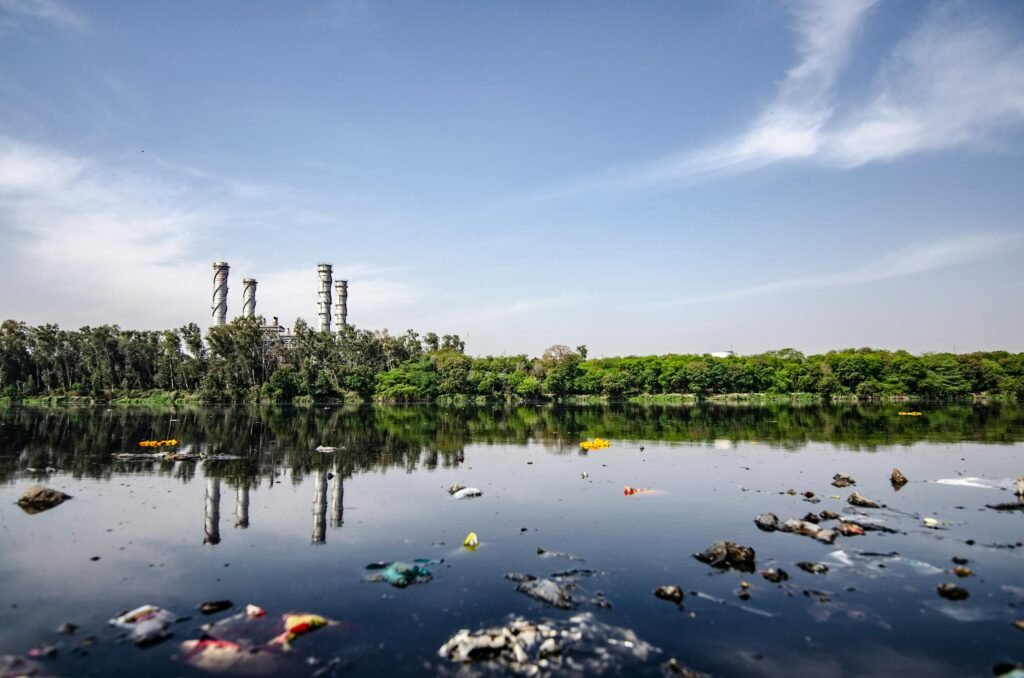
“Water contamination is a reminder that our most basic resources are fragile and must be protected for future generations.”
India faces a serious water crisis. The country has too little clean water. And much of its water is unsafe. Fast city growth, factories, and farming have made this worse. This has led to real harm to health and nature. Rainwater harvesting is one good fix. It is key to solving these problems.
The Challenges
Not Enough Water
India has more people and bigger cities than ever. This has raised the need for fresh water. Old water sources are under heavy strain. This leads to:
- Falling Groundwater: Too much pumping has caused groundwater to drop fast. This puts water at risk for millions of people.
- Dry-Season Shortages: Many areas run short on water in dry months. This hurts farms and daily life.
Dirty Water
On top of the shortage, many water sources are unsafe:
- Factory Waste: Plants dump waste with weak rules. This puts heavy metals and toxins into water bodies. For example, the Yamuna River in New Delhi is badly polluted by factory waste. This puts residents at real risk.
- Farm Runoff: Farmers use too much fertilizer and pesticide. This has put nitrate into groundwater. A recent report found that about 56% of India’s districts have groundwater with nitrate above safe limits.
- Poor Waste Systems: Weak toilets and waste rules have let germs get into water. In 2020, an outbreak in Eluru, Andhra Pradesh, made over 600 people sick from bad water. This shows how big the problem is.
Health Risks
Drinking bad water causes real harm:
- Water-Borne Illness: Cholera, dysentery, and Guillain-Barré Syndrome (GBS) have all been linked to dirty water. In Pune, a GBS outbreak was traced to water with Campylobacter jejuni germs.
- Long-Term Illness: Years of exposure to metals like arsenic and lead can cause serious harm. This includes cancer and nerve damage.
Why We Need Better Water Solutions
Given these problems, rainwater harvesting (RWH) is a strong, green answer. Towns can collect and store rain. This cuts the need for unsafe sources. It also boosts water security.
Key Benefits of Rainwater Harvesting
- Cleaner Water – Rain is naturally soft and free of harmful waste.
- Groundwater Refill – Helps rebuild low groundwater levels.
- Lower Costs – Cuts your need for costly city water.
- Less Flooding – Cuts runoff and flood risk in cities.
Why Filters Matter
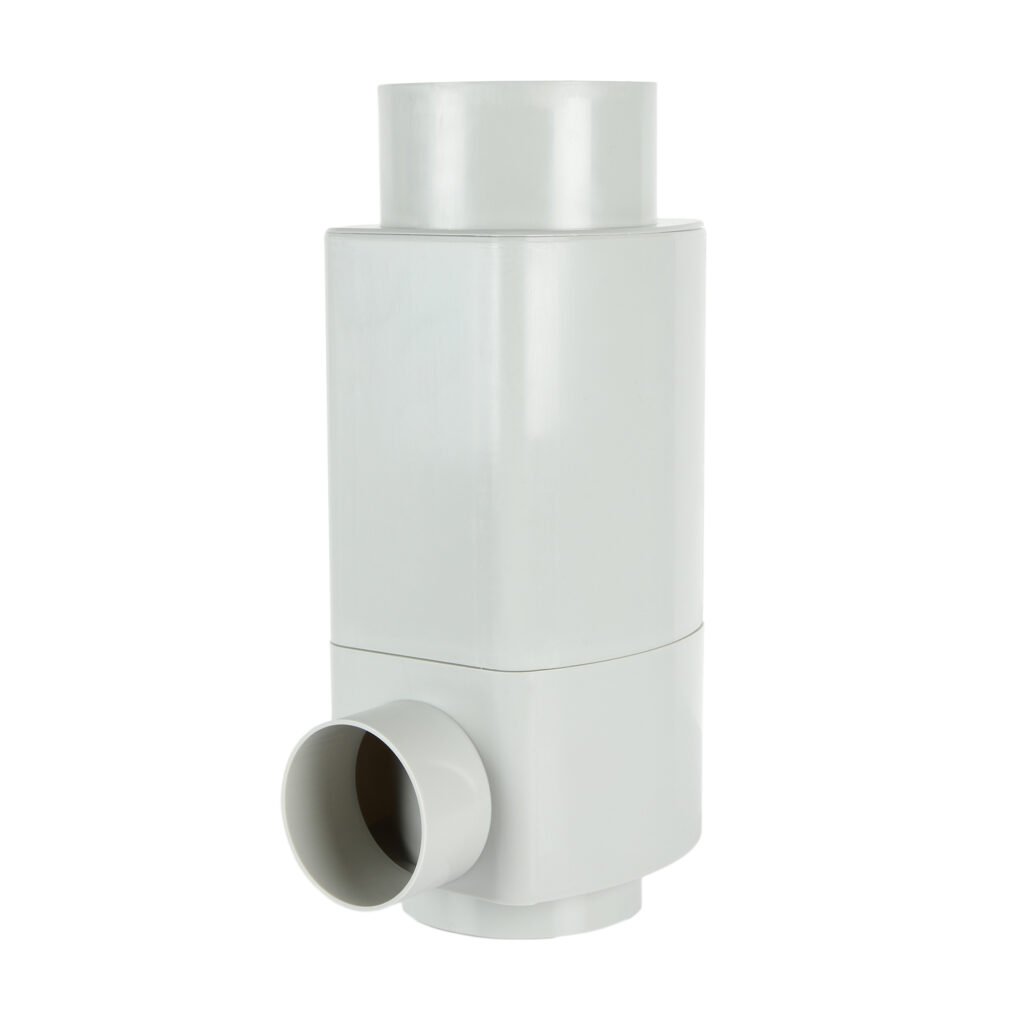
Rain starts out fairly clean. But it can pick up dirt from roofs and tanks. This happens more with weak, generic filters. This is where a strong filter, like Rainable’s Midi-150, plays a key role.
Picking the Right Filter
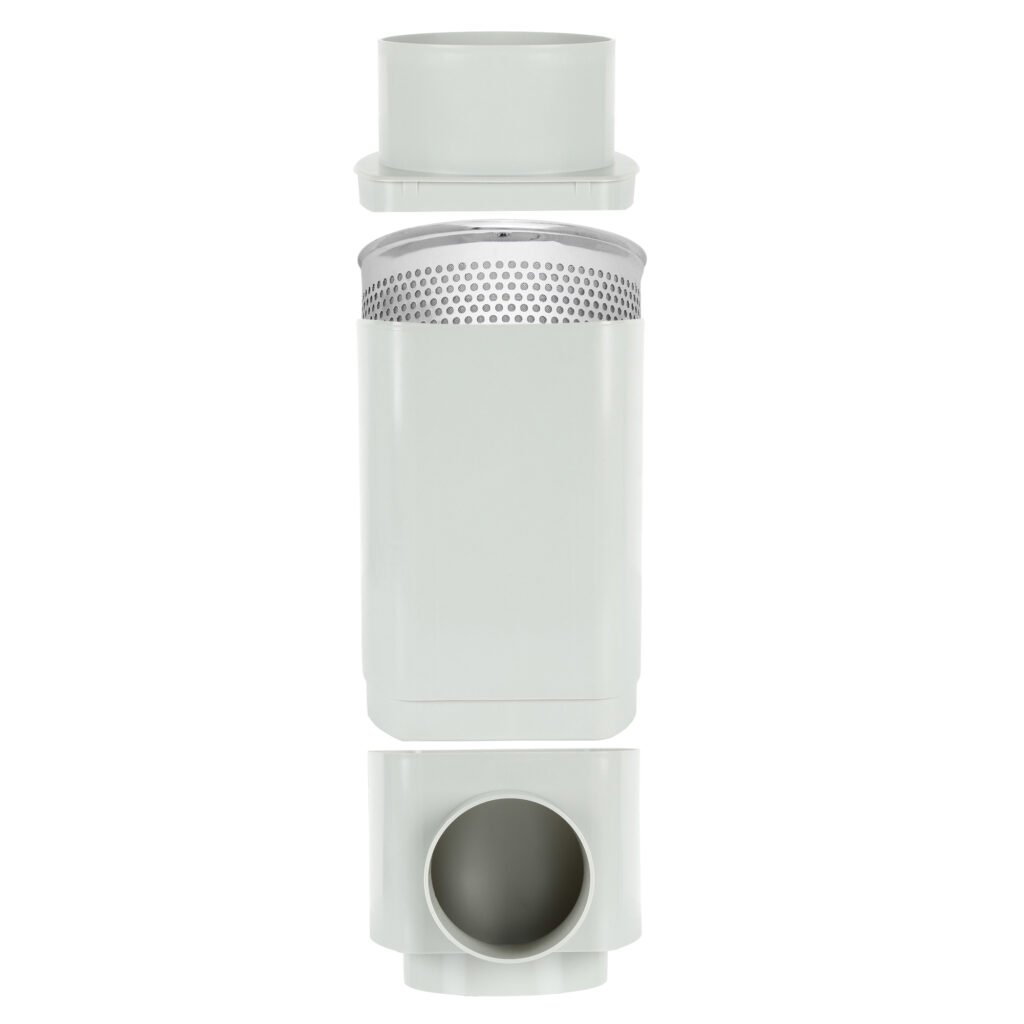
Rainwater harvesting works best with a strong filter. Rainable’s Midi-150 filter gives you the cleanest water for home or business use.
Why Choose the Rainable Midi-150?
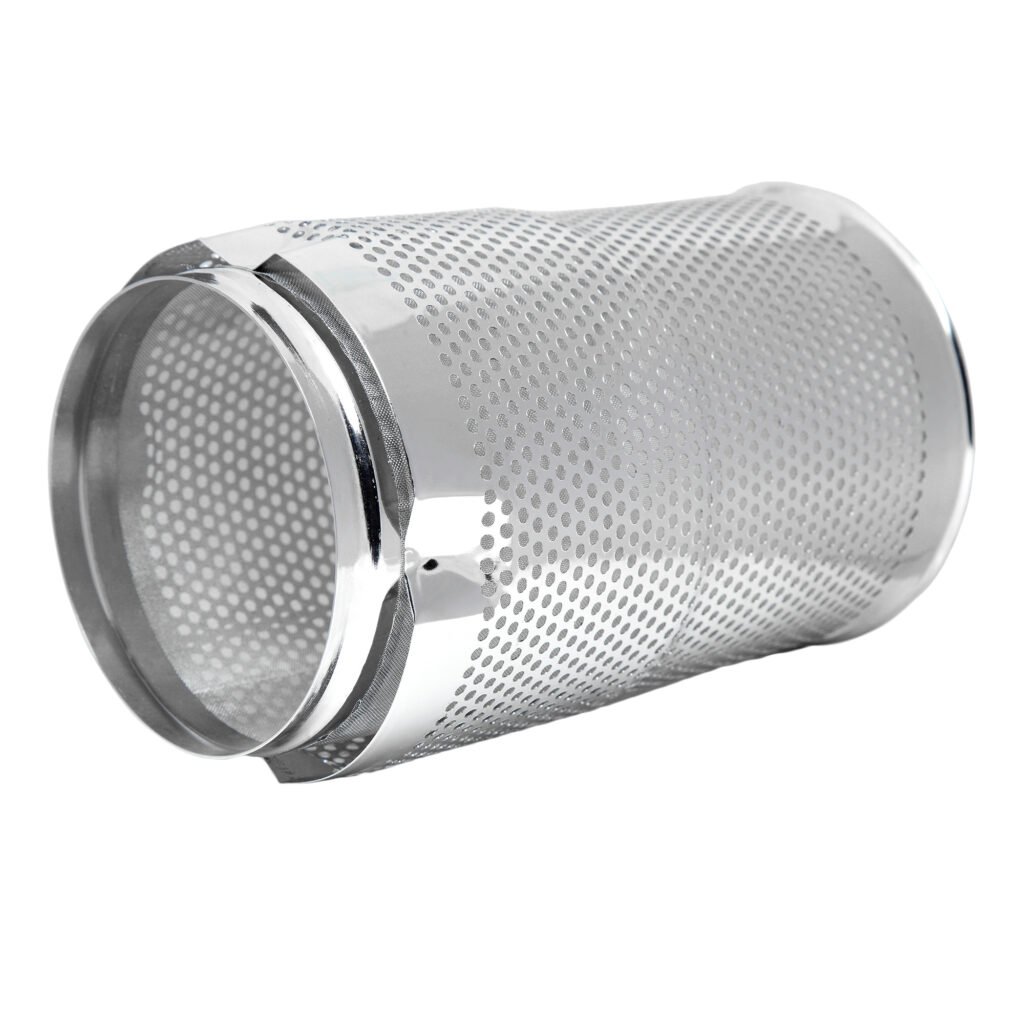
- Multi-Step Filter – Removes dirt, grit, and germs for safer water.
- Self-Cleaning – Needs zero upkeep from you.
- Fast Flow – Filters fast, great for heavy rain.
- Built to Last – Tough parts keep it working for years.
Add the Rainable Midi-150 filter to your rain system. Homes and offices get more from their rainwater. And water quality stays high.
Take Action: Secure Your Water Future
India’s water crisis needs fast, real action. Rainwater harvesting, plus a strong filter like the Rainable Midi-150, is a real fix that can grow with you. Contact us now to secure your water future!
References
- AP News (2023) – India’s river pollution crisis worsens amid rapid urbanization
- Down to Earth (2024) – GBS outbreaks across India linked to large-scale water contamination
- Eco-Business (2023) – Groundwater contamination widespread across India, government report reveals
- Wikipedia (2023) – Eluru outbreak